






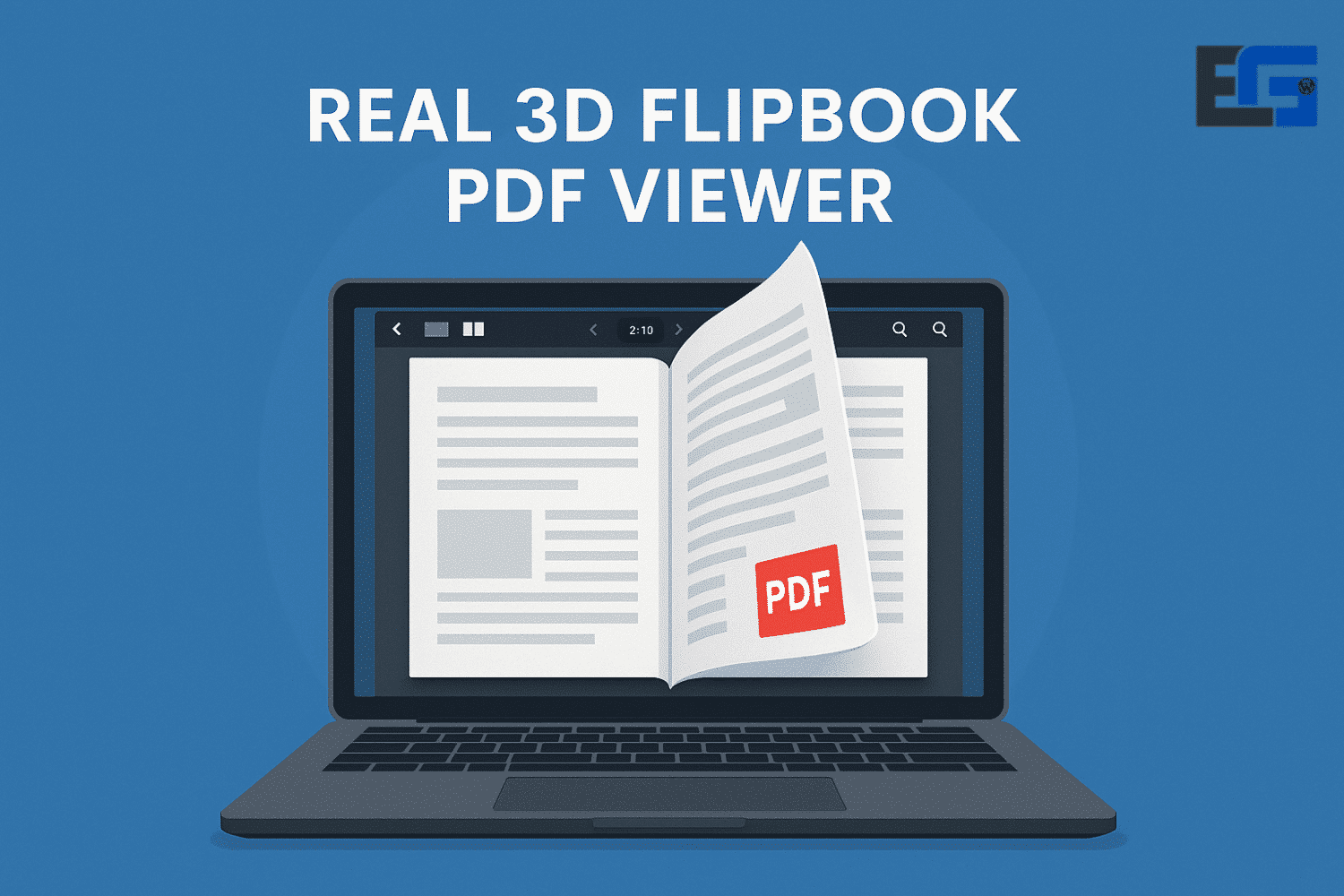
Real 3D FlipBook PDF Viewer
Introduction to 3D Flipbook PDF Viewers
3D Flipbook PDF viewers represent a significant evolution in the way digital publications are viewed and experienced. Unlike traditional PDF viewers that display content statically, these viewers provide an interactive and immersive environment that mimics the experience of reading a physical book. Users can interact with the content by flipping pages in a realistic manner, providing a higher level of engagement and enhancing the emotional connection with the material.
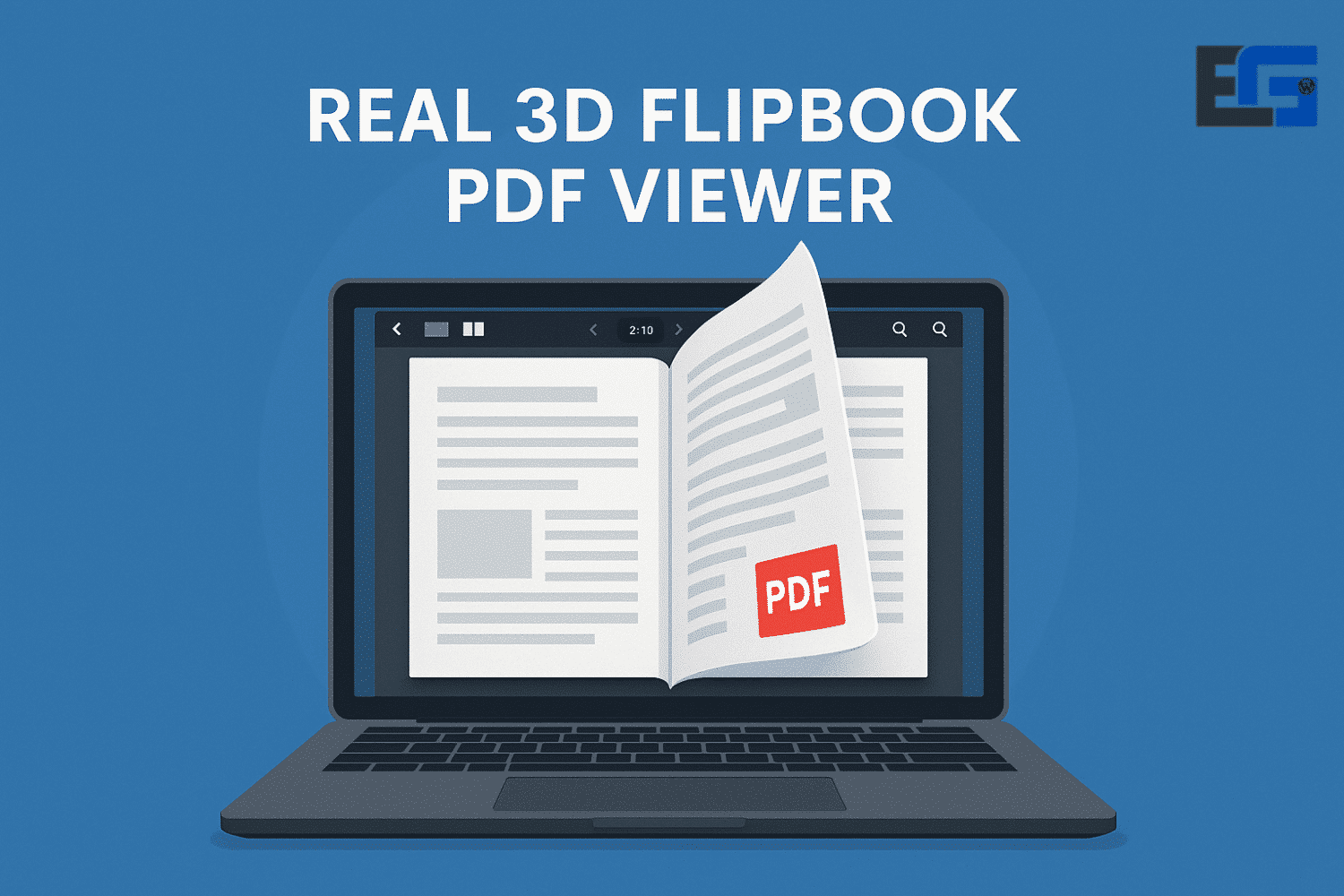
This technology relies on advanced programming to create realistic visual effects, allowing users to flip pages smoothly, mimicking the tactile feeling of turning paper. These subtle details not only enhance the aesthetic appeal but also increase user interaction through an attractive visual experience. This technology is particularly suitable for digital magazines, brochures, catalogs, and educational materials, offering a modern alternative to traditional PDF presentation.
One of the key advantages of these viewers is the ability to integrate multimedia elements, such as videos, audio clips, and links, which are often missing from traditional viewers. This level of interactivity transforms static content into dynamic presentations that can significantly improve understanding and comprehension. For this reason, these viewers have become a favorite among publishers looking to present engaging content that resonates deeply with readers.
In summary, the evolution of PDF viewing into the 3D format marks a milestone in digital publishing, combining realistic visual effects with interactive capabilities to redefine the user experience in the digital age.
Key Features of Real 3D PDF Viewer
The Real 3D PDF Viewer offers an interactive and immersive experience that goes beyond what traditional PDF viewers provide. Some of its standout features include:
- Realistic Page-Flipping Effect: Mimics the manual page-turning process, enhancing the reading experience and capturing the reader’s attention visually.
- Zoom Functionality: Allows users to zoom in on text and images easily to see finer details, which is essential for comfortable reading and thorough content inspection.
- Interactive Navigation Options: Features such as thumbnails, table of contents, and a search function help readers explore the content quickly and efficiently.
- Multimedia Support: Enables the integration of videos, audio clips, and animations within the pages, creating a rich and multidimensional reading environment.
- Customization Options: Allows changes to viewing angles, backgrounds, and colors to suit the user’s preferences or brand identity.
All of these features contribute to the effectiveness of the 3D PDF Viewer, transforming it into a powerful interactive tool to engage audiences.
Best 3D PDF Viewers in the Market
The market for 3D PDF viewers has grown significantly, with many options available for users depending on their needs:
- FlippingBook
A professional paid tool for converting PDF files into interactive 3D flipbooks.
Features responsive design and advanced performance analytics.
Ideal for marketers and publishers.
Pricing starts from around $15 per month. - iSpring Flip
Converts PowerPoint presentations into 3D flipbooks.
Suitable for trainers and educators.
Supports multimedia.
One-time license priced around $470. - Yumpu (Free Option)
Free basic plan for publishing 3D flipbooks online.
Easy to use but limited in terms of customization.
Ideal for individuals and small businesses. - FlipHTML5
Offers a strong free version, with paid options starting at $15 per month.
Allows embedding animations and videos within the book.
Suitable for publishers and digital designers.
Users should choose the appropriate viewer based on the project type (marketing, education, digital publishing), the level of customization, and the required support.
How to Create Your Own 3D PDF Book
Creating a 3D flipbook is a rewarding experience that allows you to combine creativity and interactivity. The basic steps include:
Preparing the Content :
- Gather all elements (texts, images, videos, etc.).
- Create a layout that outlines the sequence of pages and the flow of the narrative.
- Ensure the design is suitable for the reader’s experience.
Choosing the Right Software :
- Popular tools: FlipHTML5, FlippingBook, Issuu.
- Choose the tool based on ease of use, available templates, and support for interactive media.
Designing and Formatting the Book :
- Use high-quality images.
- Stick to a unified visual style that aligns with the project or brand identity.
- Be mindful of file sizes and design quality to ensure fast loading times and smooth navigation.
Common Issues and Solutions :
- You may encounter formatting issues or difficulties embedding media.
- Review the official documentation or contact technical support for quick resolution.
Testing Final Performance :
- Preview the book on different devices (computer, phone, tablet) to ensure compatibility.
- Improve the user experience by checking the browsing speed and clarity of elements.
Following these steps carefully will help you create an interactive and engaging PDF book that can be shared online and enhances reader interaction with the content.






No comment