






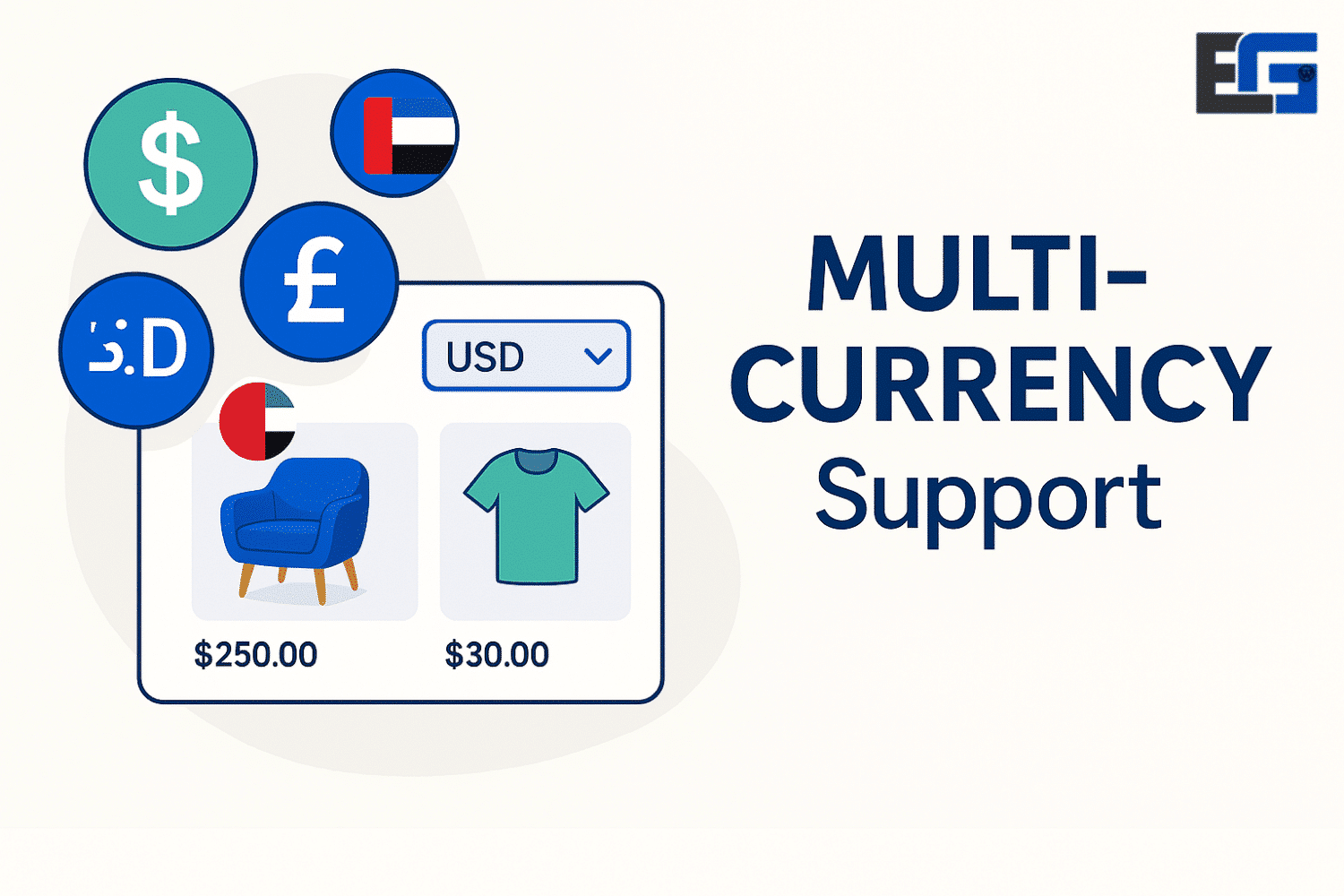
Multi-Currency
What Is Multi-Currency?
Multi-currency systems refer to financial frameworks that enable the use of multiple currencies within a single account or unified financial management platform. In an international trade and finance context, these systems streamline operations for individuals and businesses involved in cross-border transactions. Users can hold, receive, and make payments in multiple currencies without constantly converting.
A major advantage of multi-currency accounts is the ability to transact without being immediately affected by exchange rate fluctuations. Businesses dealing in global markets face challenges managing multiple currencies and the fees tied to converting them. Multi-currency accounts let you carry out transactions in various currencies, reducing delays and extra costs from conversions.
Currency exchange is central to these systems, meaning converting one currency into another at current exchange rates, which fluctuate based on market conditions. These accounts often offer competitive exchange rates, allowing users to convert funds at lower fees than traditional banks. This efficiency helps smooth international transactions and enhances users’ financial flexibility.
Another key feature of multi-currency systems is facilitating international trade. Companies can invoice clients in their local currency, increasing customer satisfaction and streamlining payment. The ability to transact in multiple currencies not only simplifies operations but expands a business’s market reach. In short, multi-currency systems are vital tools for navigating the complexities of global financial transactions.

The Future of Global Transactions
Emerging Trends in International Payments
One of the major shifts in the future of transactions is the rise of digital currencies. Central banks worldwide are developing their own digital currencies (CBDCs), such as China’s digital yuan and the EU’s proposed digital euro. These innovations promise faster, cheaper, and more secure transactions while reducing reliance on traditional banking systems.
The trajectory of global payments is moving toward:
- Full Digital Transformation
- Widespread use of digital currencies (cryptocurrencies and CBDCs)
- Decline in cash and conventional transfers
- Blockchain and Transparency
- Enhanced security and transaction transparency via blockchain
- Enables smart contracts and cross-border trades without intermediaries
- AI & Data Analytics
- Real-time consumer behavior analysis
- Faster, smarter payment processes
- Global Integration & Seamless Transfers
- Unified financial platforms with low/zero currency conversion fees
- Services like Wise, Revolut, and Stripe leading the way
- Cybersecurity & Privacy
- Greater emphasis on biometric authentication and advanced encryption
- Stronger protection of user data given rising cybercrime
- Decentralized Finance (DeFi)
- New financial systems without traditional middlemen
- Smart-contract-based lending, investments, and transfers
Benefits of Multi-Currency Accounts
Multi-currency accounts offer significant advantages for globally-operating businesses:
- Reduced conversion fees
Traditional banks charge high fees for foreign currency transactions. Multi-currency accounts allow you to hold and transact in various currencies without those fees, maximizing profits. - Mitigated exchange rate risk
Currency values can fluctuate widely. Multi-currency accounts let businesses accept payments in the client’s currency and wait to convert until exchange rates are favorable—optimizing bottom lines. - Improved transaction efficiency
Faster global transactions with fewer hassles improve client satisfaction. Businesses operating internationally can better serve diverse markets with multi-currency setups, boosting growth and loyalty.
Challenges and Risks
Major obstacles with multi-currency systems include:
- Complex currency management
Handling multiple currencies requires deep understanding of exchange rates and financial forecasting. Running separate accounts for each currency can complicate operations and require financial expertise. - Regulatory compliance
Different regions enforce varying standards on international transactions, reporting, and taxation. Staying current with regulations is essential to avoid penalties and reputational damage.
Strategies to mitigate these risks include:
- Hedging and futures contracts
Lock in exchange rates to stabilize finances and protect cash flow. - Monitoring currency trends
Use market insights to adjust strategies proactively.
With global commerce reshaping business, understanding multi-currency complexities is key to building sustainable growth. Effective risk management and regulatory awareness are vital to success.
The Future of Multi-Currency Transactions
Advances in technology will redefine global commerce:
- Blockchain integration
Offers decentralized, secure, and transparent transaction processes. - Digital and cryptocurrencies
Instant, low-cost, and intermediary-free global transfers. - FinTech innovation
Tools like digital wallets and payment platforms make multi-currency use more accessible and efficient.
To stay ahead, businesses must invest in:
- Technical infrastructure to support new technologies
- Staff training for emerging systems
- Digital transformation readiness
Embracing these developments will streamline operations, enhance customer experiences, and ensure a competitive edge in a rapidly evolving global marketplace.






No comment